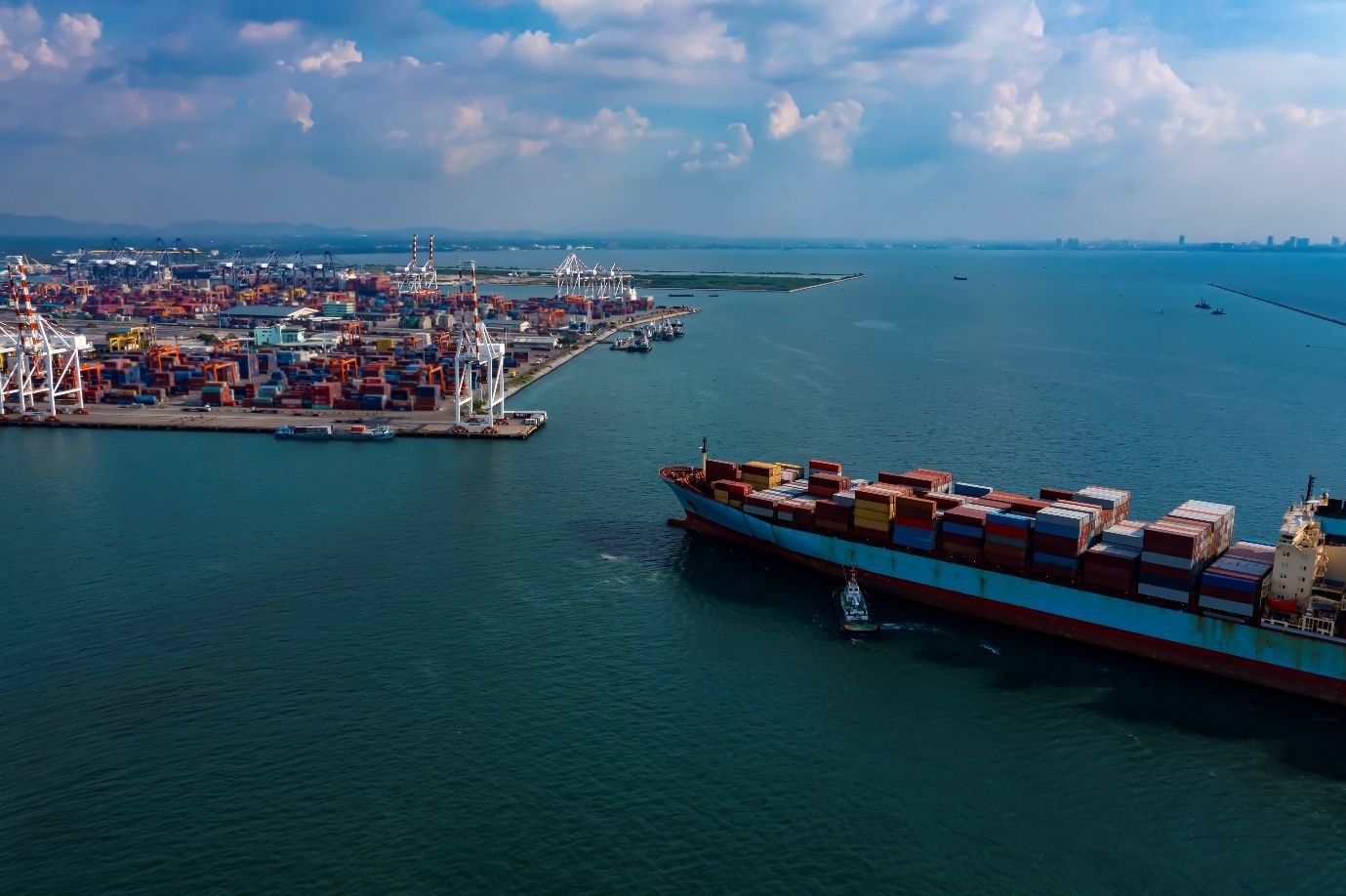

Supply chain Network Design can be explained as the strategic planning of the supply chain in order to measure the cost and the time required to bring the goods and services from manufacturers and suppliers to the market. This ensures the optimum usage of resources available with the organisations. The designing of this network could help in bringing the finished goods from the raw-material-stage to the ready-to- consume stage in a more efficient way. Supply chain network design as a whole is the planning and implementation of supply chain operations in the most optimum way for long term benefits.
The organisations should focus on the planning of the following areas while building a strong network design in supply chain:
1. Transportation and logistics
The transportation of raw materials as well as finished goods is one of the keys areas of planning. This drives the whole supply chain and determines proper running of operational procedures. Route planning and optimising the logistics supports the systematic and timely transportation of goods.
2. Placement of distribution centres and warehouses
This involves the placement of supply chain nodes in the accurate locations. This includes determining the location as well as the optimum number of facilities that wold be required to build a strong and efficient supply chain network. The size of the warehouses and distribution centres should also defined according to the need.
3. Inventory planning and management
This proves to be one of the trickiest areas while managing supply chain. The ideal level of inventory that needs to be stored and transported should be identified. This also includes the planning of fulfilment time and the response time that needs to be maintained.
4. Procurement costs and processes
Sourcing of materials and products involves vendor management in terms of cost, time and location. The number and quality of manufacturers and suppliers needs to be identified.
Importance of network design in supply chain
Supply chain has proved to be the backbone of businesses in current scenario especially post COVID-19. Supply chain needs to be stronger and more efficient in order to meet the uncertain needs of the market in various industries.
Organisations need to focus on building a network that can configure their supply chains in a way that is future ready and market oriented. This means that before configuring and putting the various blocks together, they need to dig-deep into the areas like demand, supply, capacity, storage, technological requirements. The cost and time required also needs to be studied well.
The rapidly shifting consumer choices and preferences and the uncertain demands of the services and products makes it important to pre-design the network involved in the supply chain. In the e-commerce environment delivery within 24hours or next-day-delivery is becoming a new requirement. A delay in the delivery or unavailability of a product could easily become the reason for a customer to switch brands.
Advantages
- The network design in supply chain holds huge advantages in the longer run for a business. An efficient supply chain can result into increasing the customer satisfaction. This can be of huge advantage in the channels like e-commerce and online-retail.
- The cost of the operations could be put under check and can be monitored. A successful network design would help in balancing the cost and revenue in order to generate profits.
- The operations can be highly optimised and resources can be used in the most efficient way.
- A successful network design can create a competitive advantage for a business. Highly optimised supply chain has become a difficult goal to be achieved by a lot of businesses. The companies who crack the supply chain management well, can become leaders in their relevant fields.
Network design in supply chain is a complex task that requires innovative thought process and systematic planning. Manual planning can be tiring and error-prone. Today, technology has made it possible to use a data-driven approach to optimise the supply chain network design and forecast demand fluctuations. Technologies like location intelligence and AI-enabled digital twins are being used to ensure a more accurate way of designing supply chain networks.
20cube Logistics are experts in freight forwarding and their collaborative platform helps the stakeholders track their consignment from PO to POD. We extended our freight forwarding services in Australia and to major cities like Brisbane, Melbourne & Sydney.
Similar
Insights