Shipping's Fuel Transition, By the Numbers: What's Really Changing
Alternative-fuel newbuild orders have fallen sharply since 2022, even as multi-fuel bunkering deals move forward. Here's what the latest data says about shipping's energy shift.
Blog
August 26, 2026

Shipping's Fuel Transition Isn't Stalling — It's Getting More Complicated.
Ask most people outside the shipping industry, and the fuel transition sounds like a straight line: dirty fuel today, clean fuel tomorrow. Ask anyone actually watching the order book, and the picture looks a lot less tidy. The latest data points don't describe a transition accelerating on schedule. They describe one that's slowing in some places and quietly advancing in others — often at the same time.
The Order Book Tells an Uncomfortable Story
Start with the clearest and most uncomfortable number: alternative-fuel newbuilding orders have dropped from 55% of all new orders in 2022 to just 25% today. That's not a minor wobble — it's a halving of owner appetite for alternative-fuel newbuilds in a few short years, and it lands squarely on the industry's de-carbonisation timeline.
The reason isn't a loss of interest in cleaner fuels. It's regulatory delay. The IMO's Net-Zero Framework, which was supposed to give owners a clearer sense of which fuel pathways would be rewarded and which would be penalized, has been pushed back. Without that clarity, ordering a vessel built around a specific alternative fuel becomes a multi-decade bet placed without knowing the rules of the game. Faced with that uncertainty, many owners are doing the rational thing: waiting, or hedging, rather than committing.
While Orders Slow, Bunkering Is Quietly Moving Forward
Here's where the story gets more interesting than a simple "transition stalled" headline would suggest. Even as newbuild orders pull back, real fuel-supply infrastructure is still being built out — just in a more flexible, incremental form than a wholesale switch to a single alternative fuel.
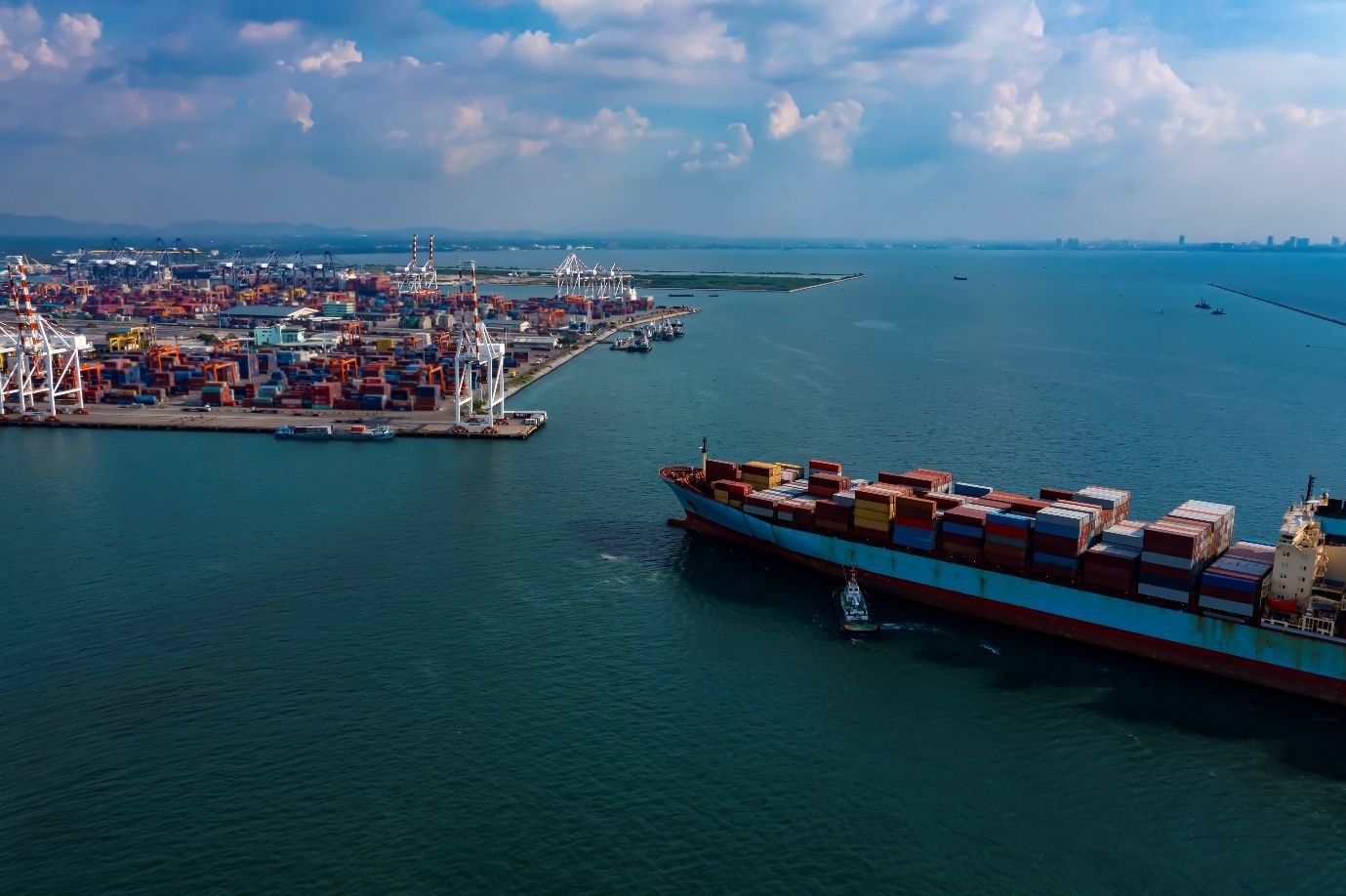
A concrete example: Titan Clean Fuels and Mitsui O.S.K. Lines (MOL) have completed the first delivery under a new multi-fuel bunkering contract covering MOL's car carrier fleet. Titan's bunkering vessel, the Alice Cosulich, supplied both bio-LNG and conventional LNG to MOL's car carrier Celeste Ace, with the delivery taking place at Zeebrugge's ICO terminal.
That single delivery captures the current moment in miniature. Rather than betting an entire fleet strategy on one emerging fuel, MOL secured a contract that allows delivery of both a lower-carbon option (bio-LNG) and a conventional fallback (LNG) through the same arrangement. It's decarbonisation progress that doesn't require owners to bet the fleet before the rules are settled.
Two Speeds, One Transition
Put those two data points side by side and a pattern emerges. At the newbuilding level — where a decision locks in a vessel's fuel type for a 20-to-25-year operating life — owners are pulling back sharply in the face of regulatory uncertainty. At the bunkering and fuel-supply level — where contracts can flex year to year without reshaping an entire fleet — progress is continuing, and in some cases accelerating, through blended and multi-fuel arrangements.
This two-speed pattern is likely to define the next phase of shipping's energy transition more than any single "breakthrough fuel" headline. Owners aren't abandoning decarbonisation; they're separating the decisions that can be reversed from the ones that can't, and moving cautiously on the latter while continuing to build flexibility into the former.
What This Means for Owners and Charterers Right Now
For anyone making fleet or fuel-supply decisions today, the practical lesson is to prioritize optionality over conviction. A 55%-to-25% drop in alternative-fuel newbuild orders is a clear signal that locking in a single-fuel newbuild strategy right now carries real regulatory risk. Multi-fuel bunkering contracts, like the one behind the Alice Cosulich's delivery to the Celeste Ace, offer a way to make genuine progress on emissions without requiring certainty the industry doesn't yet have.
Reading the Two Speeds Together
It's tempting to treat the newbuild figures and the bunkering deal as separate stories — one bearish, one bullish. In reality, they're two views of the same underlying dynamic: capital that can be reversed is moving; capital that can't is waiting. A multi-fuel bunkering contract can be renegotiated at the next renewal if better options emerge. A newbuild order locks a fuel choice into a hull for decades, so caution there is rational rather than a sign the transition is failing.
This reframes what "progress" should look like over the next few reporting cycles. A rebound in the alternative-fuel newbuild share would be the clearest sign regulatory clarity has finally arrived. Until then, the more meaningful indicator may be the pace of multi-fuel and bio-fuel bunkering deals — arrangements that let owners bank real emissions reductions today without waiting for the newbuilding market to catch up.
The Bottom Line
Shipping's fuel transition isn't failing to show up in the data — it's showing up unevenly. The drop in alternative-fuel newbuild orders, from 55% in 2022 to 25% today, reflects genuine caution born of regulatory delay; the Titan–MOL multi-fuel bunkering delivery at Zeebrugge reflects quiet, flexible progress that doesn't wait for that delay to resolve. Understanding both halves of that picture — not just the headline drop in alternative-fuel orders — is what separates a fuel strategy built for the next regulatory cycle from one caught flat-footed by it.
For shippers and cargo owners, that uncertainty at the vessel level makes the choice of freight partner more important, not less. A logistics provider like 20Cube Logistics, operating across ocean and air freight lanes in multiple markets, is positioned to route cargo through carriers and services that are actively adapting — rather than locking customers into capacity tied to a single, potentially outdated fuel bet. As the industry's two-speed transition plays out, that kind of routing flexibility and carrier oversight becomes a genuine point of value, not just an operational nicety.
Similar
Insights