Beyond Scrappage: What India's Freight Modernisation Really Needs
Explore how India's ₹9,585 crore freight modernisation scheme is driving fleet upgrades, EV adoption and logistics transformation across India's supply chain.
Blog
August 5, 2026
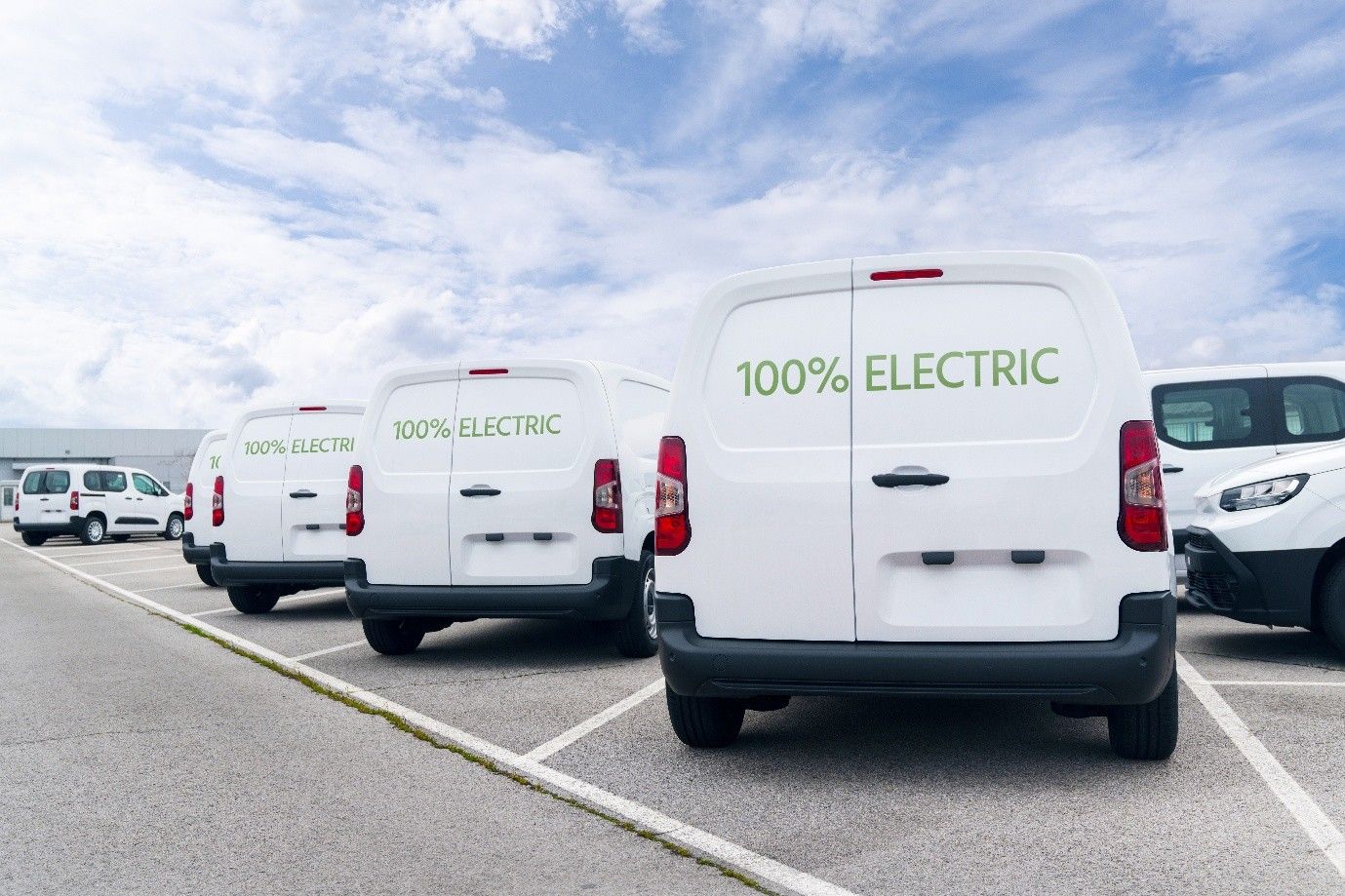
India's Biggest Freight Opportunity Is About More Than Replacing Trucks
India's ₹9,585 crore Freight Modernisation Scheme is often described as a truck scrappage programme. In reality, it represents something far more significant—a once-in-a-generation opportunity to transform the country's logistics ecosystem.
While replacing ageing commercial vehicles is an important first step, modernising India's freight sector will require much more than newer trucks. It demands investment in cleaner technologies, innovative financing, resilient supply chains and smarter freight infrastructure.
For logistics providers, manufacturers and fleet operators, the scheme marks the beginning of a structural shift that could redefine how freight moves across India for decades to come.
What the Freight Modernisation Scheme Includes
Approved by the Union Cabinet, the scheme targets more than 200,000 ageing trucks and buses operating across the Delhi-NCR region. It combines financial incentives, tax benefits and manufacturer support to accelerate the transition towards BS-VI and electric commercial vehicles.
The total investment of ₹9,585 crore includes:
- ₹5,041 crore from the Central Government
- Approximately ₹1,601 crore in tax concessions from the participating states of Delhi, Haryana, Rajasthan and Uttar Pradesh
- Support from the Ministry of Road Transport and Highways and the Ministry of Petroleum and Natural Gas
Eligible fleet owners can benefit from:
- A 5% interest subsidy on vehicle loans for up to five years
- Monthly fuel vouchers of up to ₹4,800, depending on vehicle category
- Manufacturer discounts of approximately 8% on ex-showroom prices
Although enrolment remains open for only two years, these benefits continue for five years from the date of vehicle registration.
New Vehicles Alone Will Not Transform Freight
The scheme sends a strong policy signal, but replacing vehicles is only one part of the solution.
Freight transport accounts for approximately 10% of global carbon emissions, with road transport contributing the largest share. While electric commercial vehicles can significantly reduce emissions, they also introduce new commercial realities.
Electric trucks typically cost two to three times more upfront than conventional diesel vehicles. Although their total cost of ownership becomes increasingly attractive over four to eight years—particularly in high-utilisation operations—the initial investment remains a major barrier.
The challenge, therefore, is not technological. It is economic.
Why Financing Is the Real Bottleneck
Nearly 75% of India's freight market is operated by small fleet owners managing five trucks or fewer. These businesses often have limited access to affordable, long-tenure financing and lack the financial resilience needed to absorb higher upfront vehicle costs. Government incentives and manufacturer discounts certainly improve affordability, but they cannot bridge the entire funding gap.
The question facing the logistics industry is no longer whether electric trucks are operationally viable. The real question is whether India's financial ecosystem is prepared to support freight decarbonisation at scale.
Three Priorities for India's Logistics Industry
To unlock the full potential of the Freight Modernisation Scheme, three priorities must progress simultaneously.
1. Develop High-Efficiency Freight Corridors
Electric freight performs best on predictable, high-volume routes supported by depot-based charging infrastructure. Identifying these corridors allows fleet operators to maximise vehicle utilisation while improving investment confidence.
2. Build Smarter Financing Models
Traditional commercial vehicle financing was designed around diesel economics. Electric fleets require longer repayment periods, stronger residual-value frameworks, and financing structures that reflect the lifecycle of EV assets rather than those for conventional vehicles. Innovative lending models will play a critical role in accelerating adoption.
3. Share Risk Across the Supply Chain
Fleet operators cannot shoulder the transition alone. Long-term freight contracts, charging partnerships, service guarantees and predictable cargo volumes help reduce lender risk while creating commercially viable pathways for clean freight investment. The transition succeeds only when manufacturers, logistics providers, financiers and cargo owners move together.
The Next Competitive Advantage for Commercial Vehicle Manufacturers
Vehicle manufacturers also face an important strategic shift. Success will no longer be determined solely by the number of trucks sold.
The market leaders will be those offering complete fleet transition solutions—including financing, charging infrastructure, predictive maintenance, uptime guarantees and digital fleet management. Customers are increasingly investing in mobility ecosystems rather than standalone vehicles.
A Blueprint for India's Freight Future
Although the scheme currently focuses on Delhi-NCR, its significance extends far beyond one region. If implemented successfully, it can become the blueprint for freight modernisation across India, aligning government policy, financial innovation and private-sector collaboration to create cleaner, more efficient supply chains.
For India's logistics industry, this is not simply a compliance initiative. It is an opportunity to redesign freight economics for the next decade of growth.
At 20Cube, we see freight modernisation as more than fleet replacement. It represents a fundamental shift towards smarter logistics, cleaner transportation and more resilient supply chains. By combining operational expertise, technology and sustainability, we help customers prepare for the future of freight—rather than simply respond to it.
Because the future of Indian logistics will not be defined by how many trucks are replaced. It will be defined by how intelligently the entire freight ecosystem evolves.
Similar
Insights