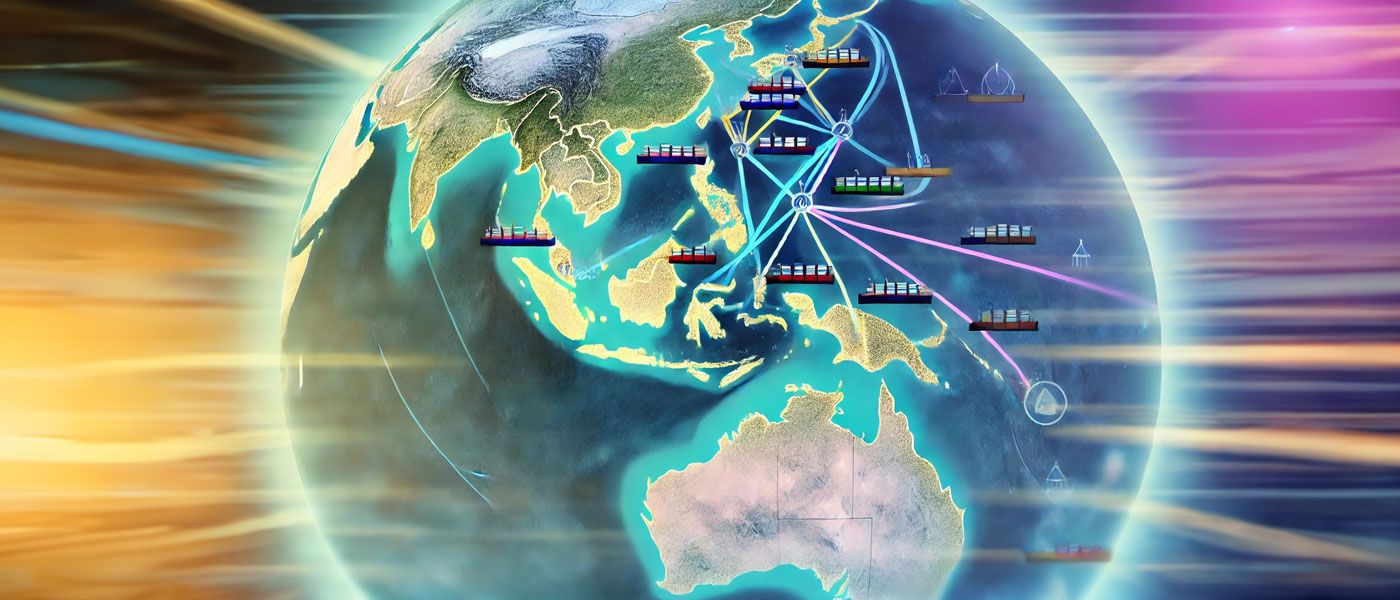
The liner trade between Australia, Southeast Asia, and the Indian subcontinent is undergoing significant changes, with new entrants, shifting partnerships, and some players exiting the market. This ongoing evolution is largely driven by external factors, leaving the trade route in a constant state of flux.
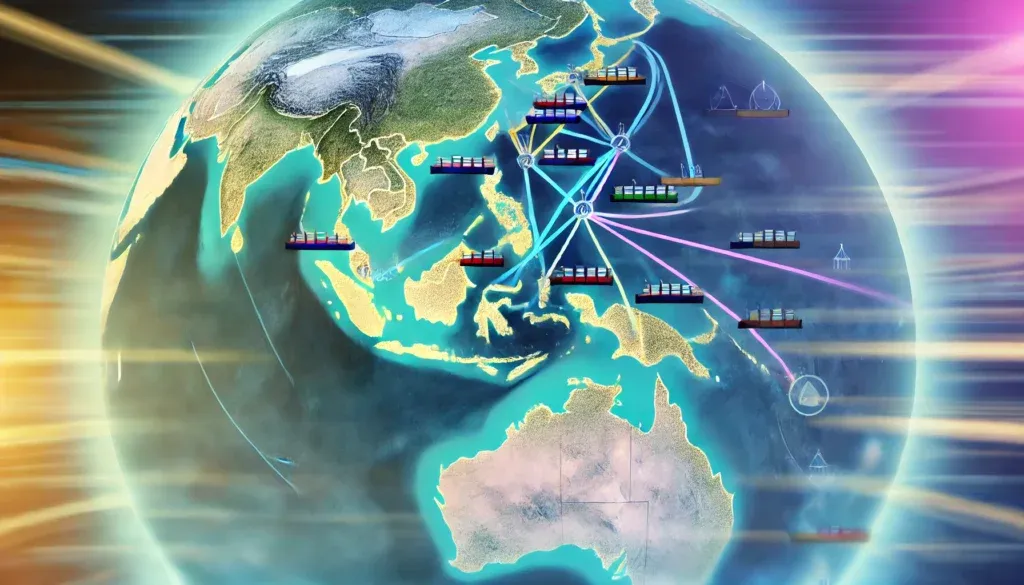
A Year of Major Disruptions
Traditionally, trade reviews reflect on a year’s worth of trends in cargo flows, freight rates, and service adjustments. However, as one shipping executive aptly put it, "there’s just too much happening right now" to focus on the past.
Despite the challenges of early 2023, volumes and rates recovered well throughout the year, delivering what carriers described as a fairly consistent performance. Utilization rates hovered around 85%, but the industry’s goal remained 100%, with most vessels consistently full. Northbound shipments, in particular, filled every available slot, even when vessels had to carry empty containers to maintain efficient operations.
As one shipping executive explained, fluctuations in demand across global trade routes had a ripple effect. When demand for East-West trade routes weakened, shipping lines shifted their focus to the SEA-Australia market, but as demand surged again, SEA-Australia fell down the priority list. Carriers faced pressure to move empty containers to more profitable trades, making it challenging to maintain a stable service.
Congestion Challenges and Schedule Disruptions
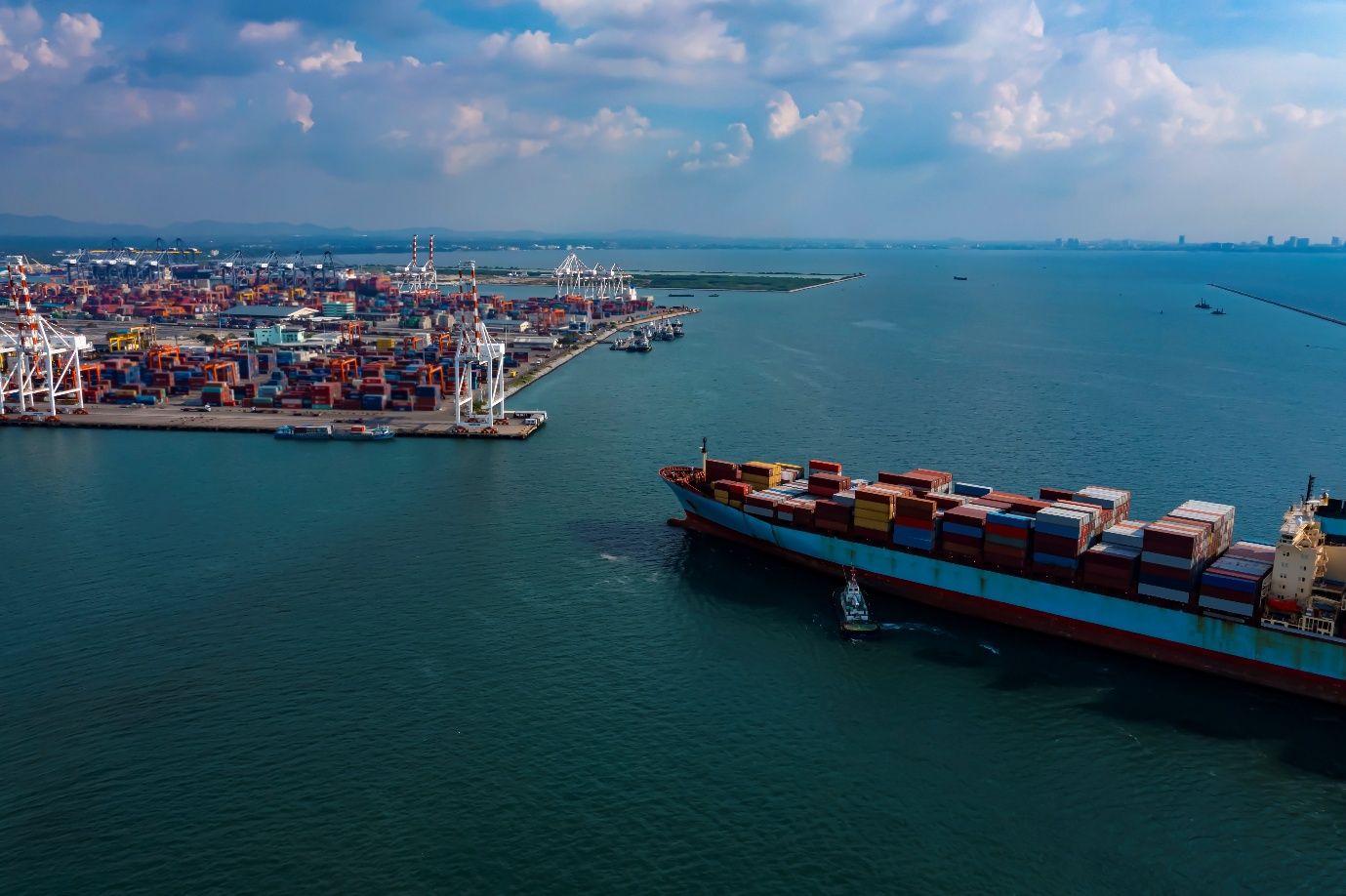
In 2023, external factors such as the Red Sea crisis exacerbated the difficulties facing container services between Australia, Southeast Asia, and beyond. The crisis forced carriers to reroute ships away from the Suez Canal, leading to port congestion, particularly in Singapore, the world’s second-busiest container port.
At the height of the disruption, ships were waiting up to a week for berths that would normally be available within half a day. This had a compounding effect on schedules, with delays spreading across Southeast Asia, forcing carriers to change port rotations and adjust schedules, especially on critical trade routes like those between Fremantle and New Zealand.
To mitigate delays, carriers began exploring alternative ports, but this only shifted the congestion to new hubs, including Malaysia’s Port Klang, China’s Ningbo and Qingdao, and Sri Lanka’s Colombo. With vessels rerouted and schedules delayed, many shipping lines had to make tough decisions about which cargoes to prioritize.
Market Overhauls and Service Realignments
The ongoing disruptions led to a significant restructuring of liner services in 2023. In late July, MSC made the unexpected decision to suspend its Capricorn and Kiwi Express services, removing around 332,500 TEU in capacity from the Southeast Asia market. This withdrawal surprised many in the industry, with competitors and customers left scrambling to fill the gap.
In response, MSC redirected several of its ships to a newly formed Wallaby service, which covers trade routes between Asia, New Zealand, and Australia. However, the sudden suspension of key services has left ports like Port Adelaide and Fremantle under-serviced, creating equipment shortages and challenges for exporters.
As Southeast Asia continues to play a crucial role in global trade, the region’s connections to Australia and the Indian subcontinent remain a vital part of the global supply chain. However, the current disruptions are a reminder that the industry must remain agile, continuously adjusting to external pressures.
For businesses operating in these regions, now is the time to reevaluate their supply chain strategies, build stronger relationships with logistics partners, and embrace new technologies to maintain efficiency.
At 20Cube Logistics, we understand the complexities of the SEA-Australia trade and are committed to providing flexible, reliable solutions. With our extensive network and expertise, we help businesses navigate this challenging landscape while optimizing their logistics operations.
Similar
Insights