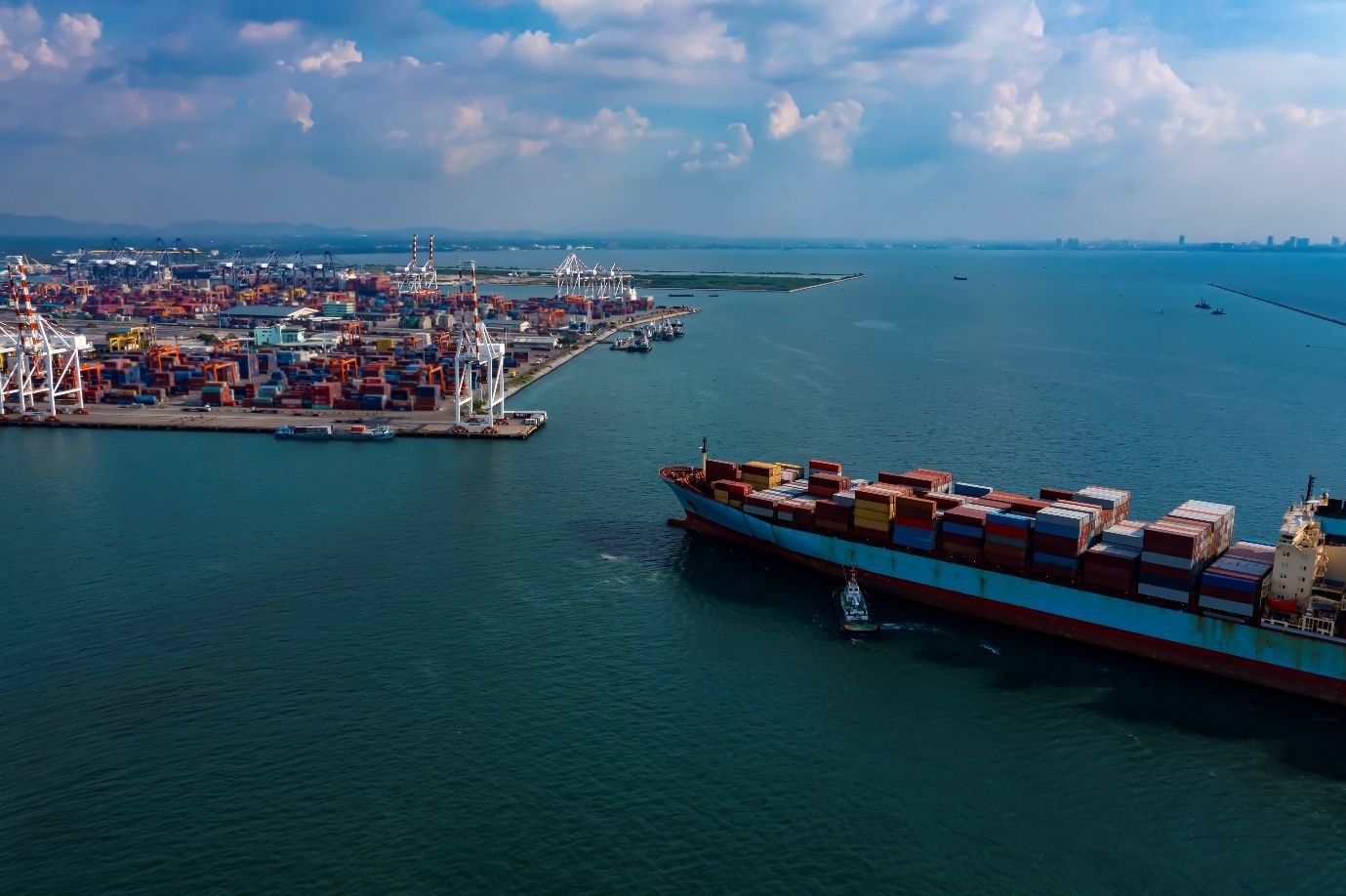

Building Resilient Supply Chains Through Hyper-Collaboration
Supply chains today operate in an environment where disruption can come from almost anywhere. Port congestion, changing demand, raw material shortages, transportation delays, geopolitical developments, and shifting customer expectations can quickly affect business operations.
For organisations managing complex supply networks, supply chain resilience is no longer about responding to disruption after it occurs. It is about creating the visibility, connectivity, and collaboration needed to anticipate challenges and respond faster.
This is where hyper-collaboration in supply chain management is becoming increasingly important.
Why Supply Chain Resilience Matters
A resilient supply chain can adapt to unexpected changes while maintaining the flow of goods, information, and services. However, resilience cannot be built through isolated functions.
Procurement may have information about supplier availability. Warehousing teams may know current inventory levels. Logistics teams may have visibility into shipments and transportation constraints, while sales teams understand changing customer requirements.
When these insights remain within separate systems or teams, decision-making can become slower.
A connected approach brings these perspectives together, creating a more complete view of the supply chain and enabling businesses to respond with greater speed and accuracy.
What Is Hyper-Collaboration in Supply Chain Management?
Hyper-collaboration goes beyond traditional coordination. It connects people, processes, technology and data across different stages of the supply chain.
Instead of each function working with its own information, stakeholders can work from shared, real-time insights.
This can include:
- Procurement and supplier information
- Purchase orders and inventory data
- Warehouse stock levels
- Shipment and transportation status
- Customer orders and delivery requirements
- Documentation and compliance information
- Exception and delay alerts
When these elements are connected, businesses can identify potential disruptions earlier and coordinate the right response.
The Role of Real-Time Supply Chain Visibility
Visibility is at the heart of a resilient supply chain.
A centralised digital platform can provide stakeholders with a unified view of shipments, inventory, orders and operational milestones. Instead of relying on multiple emails, spreadsheets or manual updates, teams can access relevant information through a common digital environment.
For example, if a shipment is delayed, the impact can be assessed against inventory availability, customer commitments and warehouse operations. This allows teams to evaluate alternatives before a delay becomes a larger operational issue.
Real-time supply chain visibility therefore shifts decision-making from reactive to proactive.
Connecting Planning with Execution
One of the biggest challenges in supply chain management is the gap between planning and execution.
A plan may look effective on paper, but changing market conditions can quickly make it outdated. Connecting operational data with planning allows businesses to continuously reassess priorities.
Warehouse availability, shipment status, order volumes and delivery schedules can provide valuable inputs for operational decisions.
This connected approach can support:
- Faster exception management
- Better inventory allocation
- Improved shipment planning
- Reduced communication gaps
- Greater coordination between teams
- More informed customer commitments
The objective is not simply to collect more data, but to turn available data into actionable information.
Extending Collaboration Across the Supply Chain
Resilience becomes stronger when collaboration extends beyond internal departments.
Suppliers, logistics partners, warehouses, transport providers and customers can all contribute valuable information to the supply chain ecosystem.
When relevant stakeholders have access to timely information, businesses can coordinate around changing requirements more effectively.
For instance, an expected production delay can trigger an early review of transportation plans and inventory availability. Similarly, changes in demand can influence warehouse allocation and distribution decisions.
This creates a supply chain where information moves alongside the physical movement of goods.
Technology as an Enabler of Collaboration
Technology plays an important role in making hyper-collaboration practical.
Integrated supply chain management technology can connect different systems and provide a consolidated view of operational activity. APIs, EDI integrations, dashboards, automated alerts and digital document repositories can reduce dependency on manual communication.
However, technology alone does not create resilience.
The real value comes when technology enables people across the supply chain to work from the same information, understand exceptions quickly and make coordinated decisions.
Building the Supply Chain of Tomorrow
Supply chain resilience is an ongoing capability, not a one-time project. As markets become more interconnected, organisations need to continuously improve how they share information, collaborate and respond to change.
Hyper-collaboration provides a framework for doing this by bringing together visibility, technology, people and processes.
At 20Cube, we believe that simplifying complexity begins with creating greater visibility across the supply chain. By connecting logistics operations with technology, data and collaborative processes, businesses can build supply chains that are more responsive, transparent and prepared for change.
The future of resilient supply chains will not be built by working in isolation. It will be built by connecting the right people, information and decisions at the right time.
Similar
Insights