 The supply chain across the globe are making significant strides toward a sustainable energy future to combat increasing greenhouse gas emissions. While many decarbonization efforts are underway, the most critical measure under consideration is the adoption of sustainable fuels to meet carbon emission targets. Although, the transition to alternative fuels has been gradual, however from the year 2023, there were many sustainable propulsion and power generation rollouts across an array of vessel types due to technological advancement.
In recent times, a positive shift has emerged, nearly all vessel and ship owners, when procuring new vessels, are prioritizing sustainable fuels early in the discussion stages. Given that a vessel's lifetime is around 30 years, the widely accepted assumption is that alternative fuels will be the logical choice. However, no single solution will likely suit all vessels, as different operational profiles and performance criteria will determine the best fuel type for each vessel.
The Momentum so far for alternative fuels
There is a strong prediction that the demand for sustainable fuels will triple over the next two decades. This surge in demand is expected to be most pronounced in the transportation sector, particularly in hard-to-abate segments like aviation and heavy-duty road transport. By 2050, the share of sustainable fuels in the overall energy demand for transportation could range from 7% to 37%, depending on the level of net-zero ambitions across different countries.
In the short term, the growth of sustainable fuels until 2035 is primarily driven by road transport, with projections reaching up to 290 million tons in the "Further Acceleration" scenario. However, aviation is set to play an increasingly significant role in Utilising sustainable fuels in the following years.
Are alternative fuels available?
Methanol Methanol is a versatile fuel suitable for a wide range of vessels. Its main by-products are heat and water, and it can be easily burned in internal combustion engines. Additionally, being in liquid form, it is easier to store than other alternatives.
Bio-diesel is a sustainable and low-emission fuel. Today, it is blended with conventional diesel in varying proportions, however, research and experiments are in progress to ensure there will be 100% biodiesel vessels shortly.
Ammonia is being considered as a potential fuel for long-distance vessels due to its ability to power combustion engines with water and nitrogen as the only byproducts. However, its production requires a significant amount of energy, so for it to be environmentally friendly, producers would need access to large amounts of surplus sustainable energy. Additionally, its toxicity poses a challenge sometimes.
Batteries have made it possible for harbour tugs, ferries, luxury yachts, and other inshore vessels to be powered by batteries charged from shoreside facilities or renewable energy sources. It's crucial to select the right battery technology for these vessels. While current batteries can provide high performance for short periods, the focus now is on developing batteries that can support longer operations and have lifespans equal to the vessels themselves.
Hydrogen has received much publicity as a potential fuel for various applications, with its only by-product being water when converted into energy. However, challenges persist in its production, storage, safe combustion at scale, and its low energy density. Additionally, its production requires large amounts of energy.
LNG, once thought of as the fuel of the future, is now considered more of a temporary solution. Not only is it a hydrocarbon with harmful byproducts, but it also requires high-pressure storage and temperatures as low as -163 degrees Celsius, leading to additional costs, safety concerns, and technical challenges.
How does the future of alternative fuel look like?
Alternative fuels are compared to the liquid hydrocarbons currently in use, which are known for their exceptional energy density, easy storage, and transport. Replacing hydrocarbons will require trade-offs, and having a variety of potentially viable choices available will be the best approach. For example, methanol shares many properties with hydrocarbons, but ammonia is likely to be cheaper. Developing and optimizing several fuels over time increases the likelihood of having solutions available to meet different operational and financial goals.
The Transition…
While there is a lot of enthusiasm about the alternative fuel among shippers and manufacturers wanting to be the early adopters. Meanwhile, as per the reports, the engines required for methanol alternatives are still under development and the costs of the fuels are not commercially viable. Green methanol is still in small-scale production and electrical propulsion is still a constraint for ship developers due to the lack of technology, expertise in design, and automation experts.
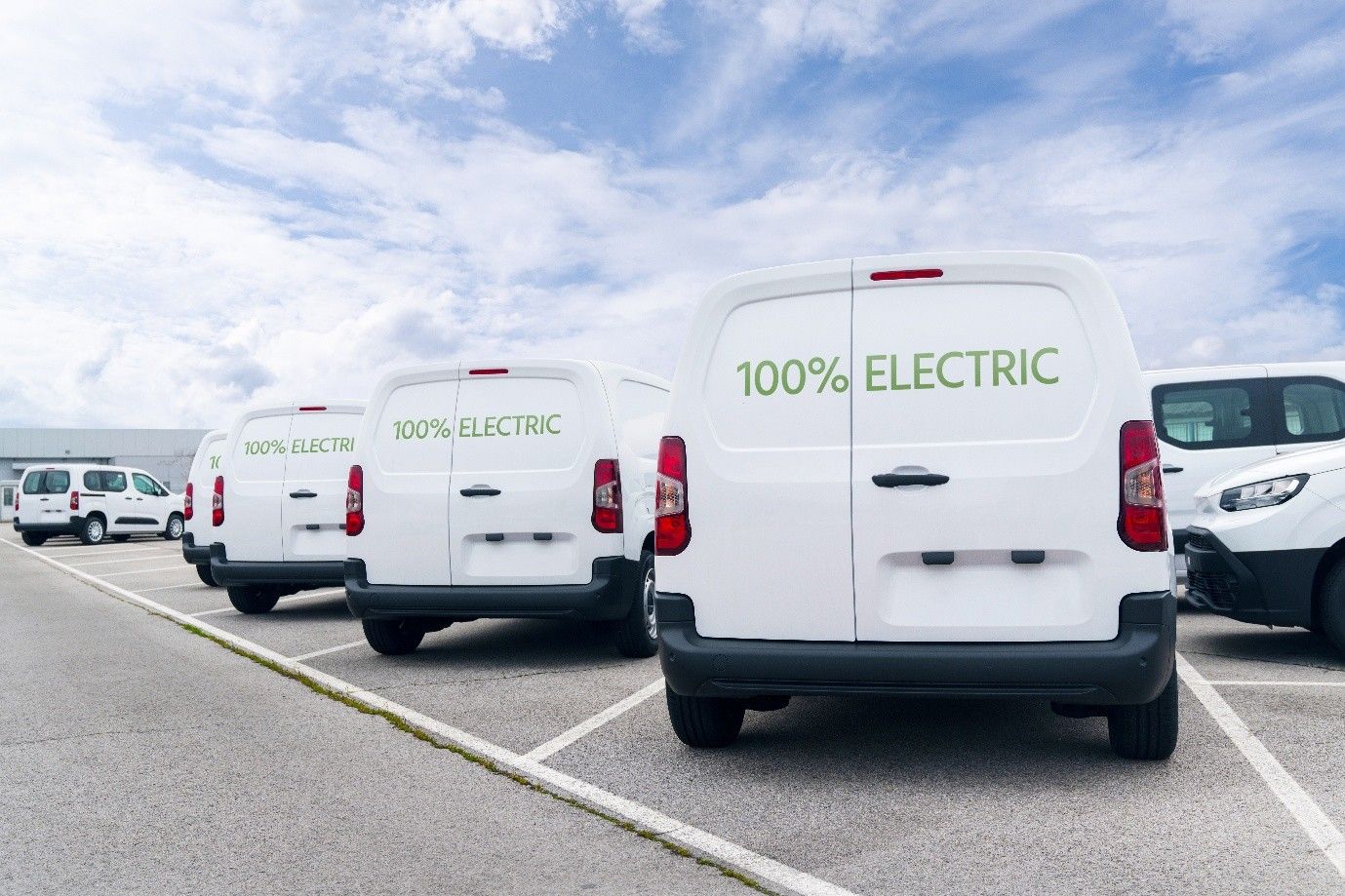
The EVs (Electric vehicles) for commercial heavy transportation, including trucks are estimated to experience gradual electrification. Until electrification is completely realized, most countries will bank on sustainable fuels, both bio-based and synthetic, to minimize GHG emissions in their existing fleets.
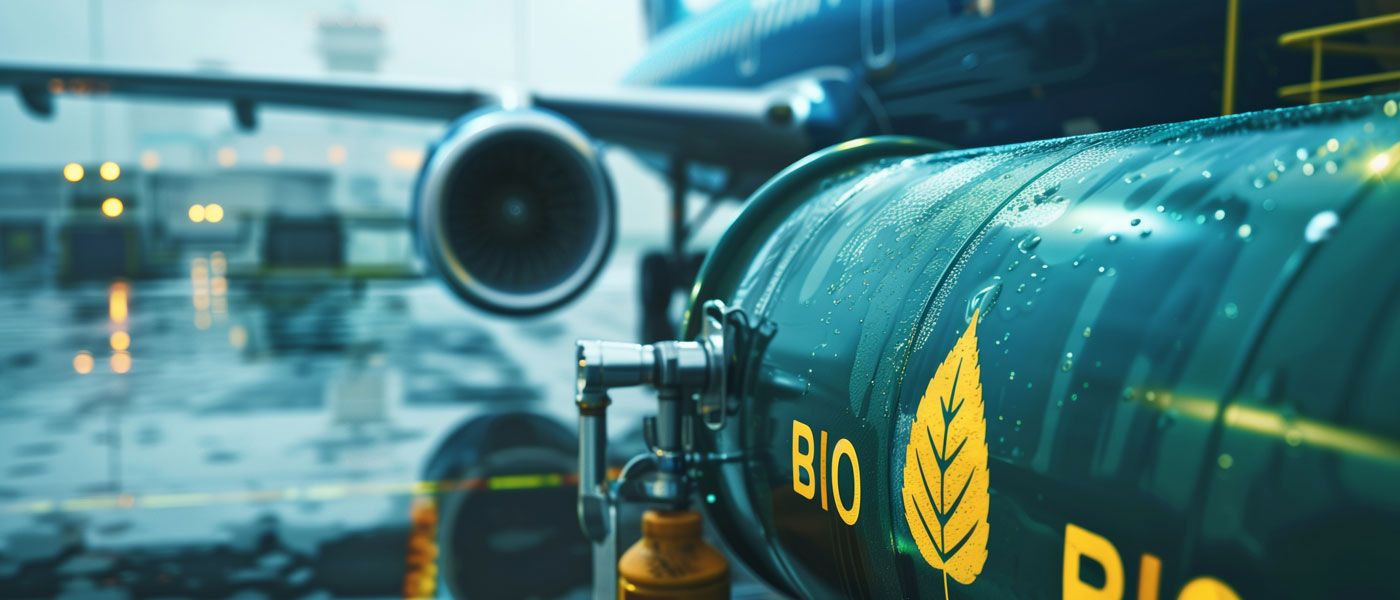
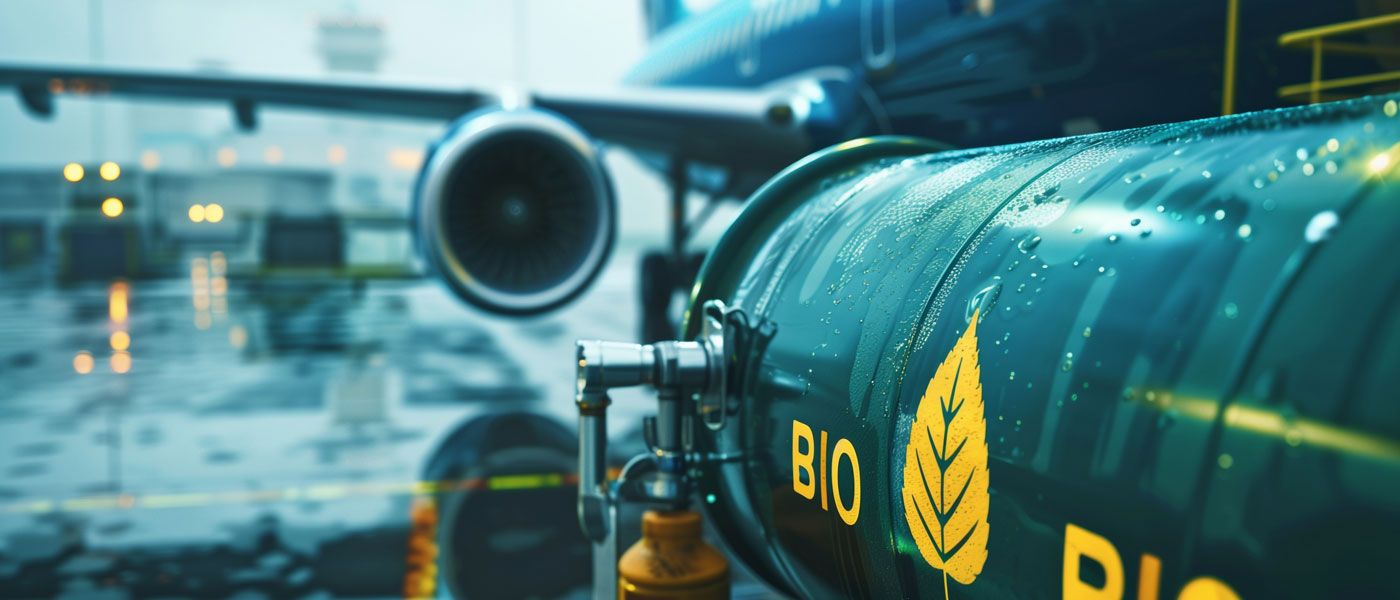
Sustainable aviation fuels blended with kerosene may be the only viable option to limit greenhouse gas emissions in the aviation sector due to aircraft design constraints that limit the potential of alternative propulsion technologies like battery electric and hydrogen.
Shifting landscape for a sustainable future
Sustainable fuels are going to play a significant role in our journey towards a cleaner and more sustainable energy future. As a responsible organisation, 20Cube is committed to achieving Scope 1 & 2 neutrality by 2026 and taking a step toward carbon negativity by 2035, including Scope 3 emissions.
As we move forward, embracing sustainable fuel is not simply a choice but a requisite to achieve the ambitious decarbonization goals and combat climate change. We must prioritize the continued growth and development of green energy to achieve a more sustainable and climate-friendly energy future for generations to come.
Similar
Insights