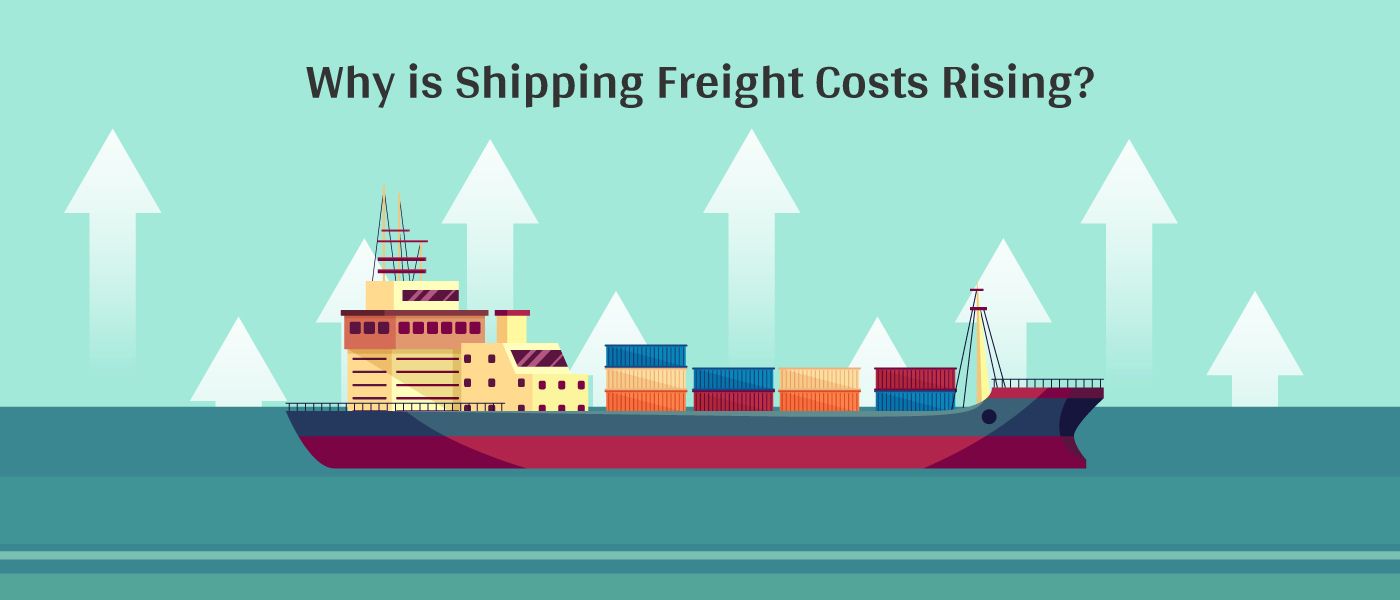
As the first quarter of 2025 nears its end, the supply chain grapples with rising ocean freight rates, posing a significant challenge. Shippers and freight forwarders actively seek ways to understand the crisis and navigate its impact effectively.
Key Factors Affecting Ocean Shipping Freight Rates
Seasonal trends: Shipping prices fluctuate throughout the year based on demand. When demand for shipping services is high, capacity becomes limited, causing prices to surge. On the other hand, during periods of low demand, prices tend to drop. Seasonal holidays also impact rates as businesses rush to move goods. Understanding these patterns helps companies manage shipping costs effectively.
Fluctuations in fuel prices: The fluctuations in fuel prices have a significant impact on the shipping costs. Economic uncertainties or geopolitical tensions often cause fuel prices to rise, directly affecting the ocean freight rates. The fuel price fluctuation causes a major challenge for shipping companies as they would need to adjust rates to cover higher operational expenses, causing inconvenience to both businesses and consumers.
Container crisis: A shortage of available containers can drive up freight rates due to increased demand and limited supply. When containers are scarce, shipping costs rise as businesses compete for available space.
Port Congestion: Port congestion can be caused by:
- Overcrowded port with limited space
- Ongoing worker strike
- Customs clearance delay
- High cargo volumes
When ports face these challenges, operations slow down, leading to longer waiting times and increased costs. While technology can help streamline port operations, congestion remains a key factor driving higher shipping expenses.
Type of cargo: The kind of cargo being shipped also influences ocean freight rates. When shipping hazardous items or oversized goods, higher shipping rates are expected as they demand special storage, require special equipment, skilled manpower and specialized containers, which automatically increases the freight shipping cost
Currency exchange rates and service charges: When there is a fluctuation in currency exchange rates, it directly affects the costs of vessel operation, maintenance and fuel, impacting the freight shipping rates. Besides that, the service charges like terminal fees, berth, canal, anchorage, and customs add to the shipping freight rates, however, these charges vary on the destination.
How can a shipper or freight forwarder fix this increasing freight cost?
Shippers and freighters continuously monitor market conditions and freight costs as it is considered as the major part of their total shipment cost. Here are some ways to optimize freight costs:
Know the market and the prevalent rates
This is a major requirement for the shipper so that they don’t pay more than the market rate. Freight cost benchmarking is an effective method used by many businesses to ensure they are getting competitive.
Use the right mode of shipment
To achieve the best freight rates, the freight forwarder needs to decide on the best mode of transportation for the shipment, whether it should be a full container load, a less-than-container load or as groupage. This is necessary because multiple charges are levied in an LCL or groupage shipment as compared to FCL. With FCL also, the right cost might be achieved by using the right type of cargo.
Plan effectively
Effective planning, along with a clear understanding of the business scope, quantities involved, and shipment frequency, enables efficient freight negotiations with carriers.
Use triangulation for container efficiency
This option works well when the same container is used for export and import purposes using the same carrier. This strategy helps reduce empty container repositioning costs and often comes with special offers from carriers.
Avoid unnecessary charges
It’s necessary to avoid demurrage and detention charges at POL or POD. Proper planning and timely cargo movement help prevent these extra expenses.
Route optimization
Analyzing multiple carrier routes before shipment can lead to significant cost savings. Optimized routes reduce transit times and lower freight costs.
Understanding the terms of sale and shipment
A clear understanding of Incoterms and shipment terms ensures that shippers and freight forwarders know their financial responsibilities. Knowing who covers what costs helps in effective budget planning and cost reduction.
Rising freight costs continue to challenge global trade, driven by fluctuating fuel prices, container shortages, and port congestion. While these factors are beyond a shipper’s control, strategic planning can make a significant difference. Proactive decision-making and strong partnerships with digital freight forwarders like 20Cune Logistics will be key to navigating the evolving landscape of ocean freight.
Similar
Insights