Today automation is the keyword. To improve productivity, everyone is looking at automating the process, abandoning the paper-based processes and bringing down the expenses to a lot extent. In warehouses, automation is termed as improving speed, accuracy, reliability and saving costs.
The implementation of a warehousing management system in a warehouse depends on how all the activities like tracking all transactions, stacking, staging, putaway and pick-up among others can be integrated with the system.
Today, not only the big market players, like Amazon, Ikea, Nike among other use warehousing automation, but it is now accessible to small and medium-sized businesses.
Let’s look at some of the features of warehousing automation:
Pick and pack: Not only repetitive, but this process is error-prone and time-consuming when done manually. With modular shelving systems combined with robotics, it offers much efficiency and accuracy in the process.
Inventory count: Cut-down your errors on inventory count. The easiest and cost-effective warehouse automation strategies help in cycle counts of inventory hassle-free. No inconsistencies, no disturbance to operations and no physical counting anymore.
Barcode label automation: For a well-organized warehouse, it is necessary to keep a tab on the inventory. To manage the inventory, barcode labels, warehouse signs, rack labels and other scanning devices that can read the labels and signs are of utmost importance to speed up the process and eradicate errors.
Automation of operations: It is believed that warehouses don’t have access to real-time data in their WMS resulting in inaccurate inventory counts. This may lead to disturbance in the supply chain operations. With back-office automation, it’s easy to keep a tab on inventory automation by keeping it always up-to-date.
How a WMS can benefit the warehouse?
Efficiency and accuracy
With warehouse management systems, it is easy to manage the warehouse is its intelligent algorithms help to keep a tab on inventory, assign and locate products. The hand-held devices and robots help in picking and retrieving an item for outward delivery. The automated system allows to maximise space, minimise errors, and maintains flexibility.
Self-sufficient
With warehousing automation in place, it helps the warehouse become more user and environment-friendly. It reduces the physical footprint, energy consumption and helps in waste management.
Optimising space
In a warehouse, space is of utmost importance and should be used carefully. The warehouse automation system helps you achieve that objective by storing as many items as possible in the most appropriate manner. In warehouses, the inventory can be stored vertically, as they can be easily visible and retrieved using the right equipment.
Reduced costs
The warehousing management system can radically reduce the requirement for manual labour, resulting in reduced costs. Even during peak hours when many employees are required to work overtime to with the demand, this warehouse automation can simply reduce cost by running continuously without incurring much additional cost.
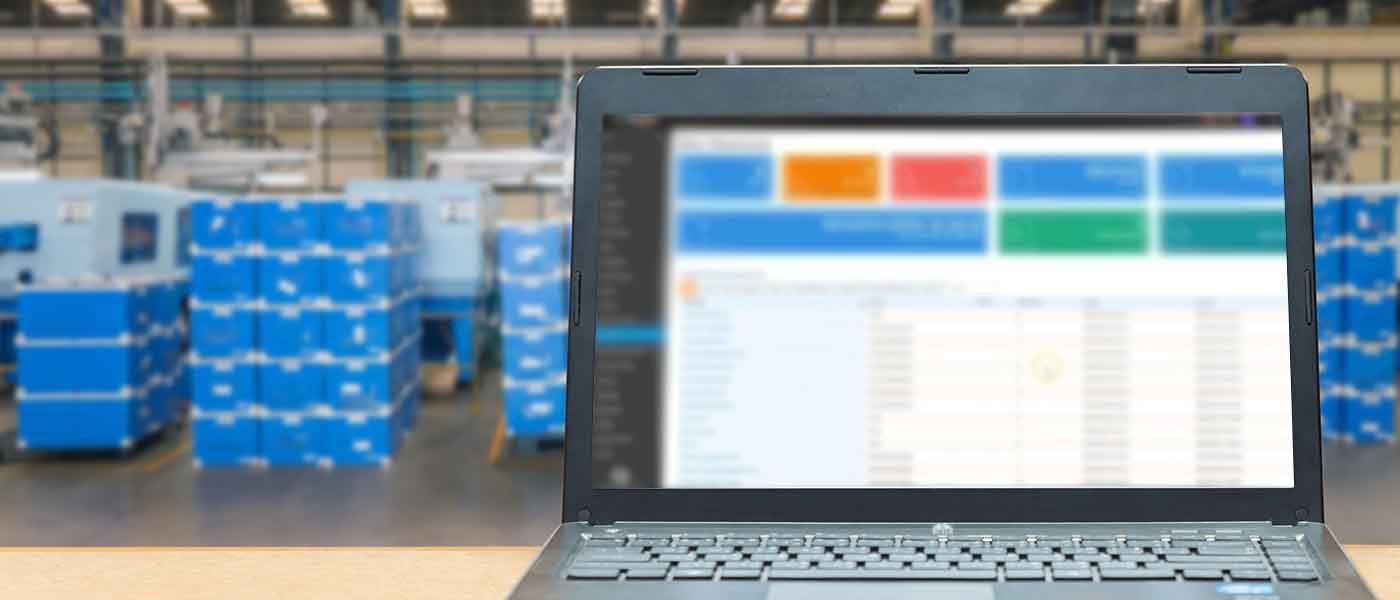
The warehousing management system launched by 20Cube is doing wonders in optimising the day-to-day operations of a warehouse. In today’s scenario, to stay competitive and thrive, the organisation needs to adapt quickly, and with WMS, it's possible as it implements innovative solutions to effectively manage the supply chain complexities whilst reducing operational costs.
Similar
Insights